



Stage 4 Esophageal Cancer
- Updated on: Sep 18, 2026
- 4 min Read

Mohd Sadiq is a bioinformaticist with a special interest in Nanotechnology. He completed his Master’s degree from Jamia Millia Islamia University, New Delhi, followed by an internship in the Department of Plant Molecular Biology, University of Delhi, South Campus. Mohd Sadiq has also worked at Codon Biotech Pvt. Ltd. Noida.
By
- Published on Jun 10, 2019
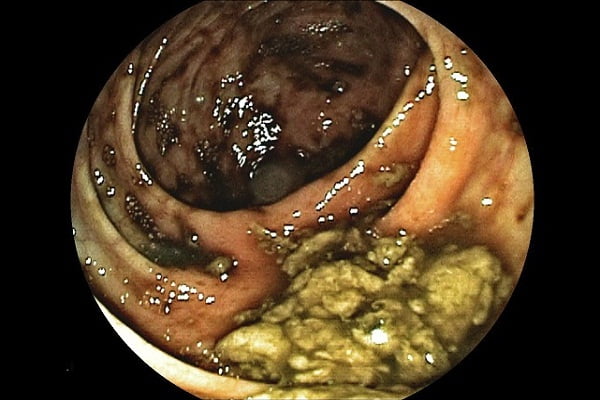
What is esophageal cancer?
Esophageal cancer develops in the esophagus, the long tube connecting the throat to the stomach responsible for transporting swallowed food for digestion. It typically starts in the cells lining the esophagus and can manifest anywhere along its length. Esophageal cancer affects more men than women and is among the leading causes of cancer-related deaths worldwide. According to GLOBOCAN 2022, it was the seventh leading cause of cancer death globally, accounting for approximately 445,000 deaths.
In the early stages, when it’s easy to treat, esophageal cancer has very few signs and symptoms. Unfortunately, it is rarely detected in early stages. As esophageal cancer begins to progress and advance to the later stages, symptoms become more noticeable and the cancer becomes more complicated to treat.
ADVERTISEMENT
ADVERTISEMENT
Esophageal cancer is broadly divided into two main types: esophageal squamous cell carcinoma and esophageal adenocarcinoma. Their risk factors and geographic patterns differ. Squamous cell carcinoma is more strongly associated with factors such as tobacco and alcohol use and is more common in several parts of Asia and Africa, while adenocarcinoma is strongly associated with gastroesophageal reflux disease (GERD), Barrett’s esophagus and obesity and is more common in North America and parts of Europe. Understanding the type of esophageal cancer is important because it can influence staging, treatment and prognosis.
Stage 4 esophageal cancer
A stage 4 esophageal cancer or tumor may be any size and has grown beyond the esophagus. In this stage, the disease may have spread to lymph nodes or distant organs including the liver or abdominal cavity. Usually, stage 4 esophageal cancers are very hard to be treated completely. Treatment is used mainly to help keep the cancer under control for as long as possible and to relieve any symptoms produced by the disease.
The most common symptom of esophageal cancer is feeling tired and unwell. Other signs and symptoms depend on the location of the progression of the cancer in the body.
Stage 4 esophageal cancer symptoms
The most common place for esophageal cancer to metastasize is the liver. However, it may also spread to lymph nodes, to the lungs or to the stomach. People may face problems in swallowing and some weight loss if the cancer is in the esophagus or food pipe.
Stage 4 esophageal cancer symptoms associated with lymph nodes
A lymph node is a small bean-shaped structure that is part of the body’s immune system. Lymph nodes filter substances that travel through the lymphatic fluid, and they contain white blood cells (lymphocytes) that help the body to fight against the infection.
The most common symptom if esophageal cancer has metastasized to the lymph nodes is that they become swollen or hard. Swollen lymph nodes in the neckline may make it hard to swallow. Tumor cells may also prevent lymph fluid from draining away. This might lead to swelling (lymphoedema) in the neck region or face due to fluid accumulation.
Stage 4 esophageal cancer symptoms associated with liver
Some common signs and symptoms of esophageal cancer metastasized in the liver are as follows:
- discomfort or pain on the right side of the abdomen
- poor appetite and weight loss
- ascites (the accumulation of protein-containing fluid within the abdomen)
- yellowing of the skin, whites of the eyes or itchy skin
Stage 4 esophageal cancer symptoms associated with lungs
Some common signs and symptoms of esophageal cancer spread into the lung are as follows:
- a severe cough, coughing up blood
- breathlessness
- ongoing chest infections
- a pleural effusion (an unusual amount of fluid around the lung)
Stage 4 esophageal cancer symptoms associated with the stomach
Some common signs and symptoms of esophageal cancer metastasized in the stomach are:
- heartburn or indigestion
- excessive burping
- feeling bloated
- pain in the upper abdominal area
- poor appetite and weight loss
- darker stool due to blood
Esophageal cancer stage 4 life expectancy
In stage 4 esophageal cancer, the tumor has metastasized or spread to other parts of the body. It is estimated about 5 out of 100 people survived for 5 years or more after the diagnosis of advanced esophageal cancer.
The best defense against esophageal cancer is to know the warning signs and risk factors involved and consult your healthcare professional if you suspect any signs and symptoms associated with esophageal cancer.
Stage 4 esophageal cancer is not necessarily defined simply by the size of the tumor. Stage IV disease can include cancer that has grown into nearby structures or spread to multiple nearby lymph nodes, while stage IVB refers to cancer that has spread to distant parts of the body, such as the liver or lungs. The exact staging criteria also differ according to whether the cancer is squamous cell carcinoma or adenocarcinoma. Treatment for advanced disease may include systemic therapies such as chemotherapy, immunotherapy or targeted therapy, depending on the cancer’s type and molecular characteristics, along with treatments aimed at relieving symptoms such as difficulty swallowing.
Can stage 4 esophageal cancer be treated?
Stage 4 esophageal cancer can usually be treated, although treatment is often different from that used for cancer that remains localized. Depending on the individual case, treatment may include chemotherapy, immunotherapy, targeted therapy or combinations of these treatments. Radiation, endoscopic procedures or other interventions may also be used to relieve problems such as difficulty swallowing, bleeding or pain.
The choice of treatment depends on the cancer’s type, location, extent of spread, molecular characteristics and the person’s overall health. For some patients, the main goal is to control the cancer and maintain quality of life, while selected patients may have additional treatment options depending on the extent and location of metastatic disease.
Share this article


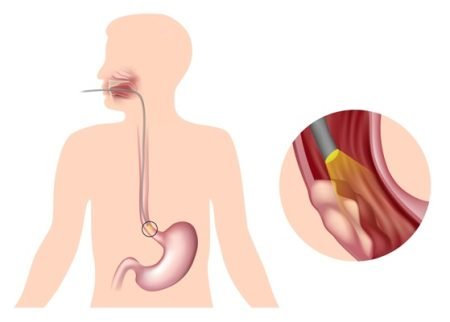
Latest Posts





ADVERTISEMENT
2 Comments
Between 45 and 90 of women with BRCA genes will develop breast cancer. Wilms Tumor WT is a highly curable cancer when detected and treated early.
investigated the effect of ATO and ATRA on the neutrosphere formation of U87MG glioblastoma cells carrying wild type p53 and or codon specific p53 mutant R273H. Health care providers don t use blood estrogen levels to assess breast cancer risk