

What Are the Warning Signs for Varicose Veins?
- Updated on: May 30, 2026
- 6 min Read

Mohd is driven through passion for innovation in healthcare and medical research. He holds a degree in Mechanical Engineering and has spent about two decades in medical research particularly on medical / surgical implants and digital health. He is associated as a fractional IP and Innovation Officer for more than a dozen companies across the globe.
- Published on May 30, 2026
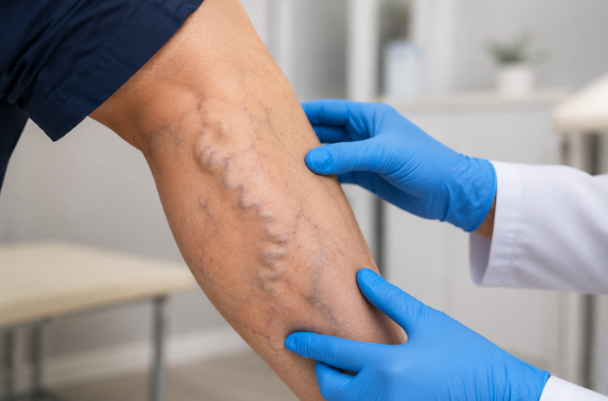
Most people notice varicose veins when they become visible, the dark, twisted, rope-like bulges that appear on the legs and cause real discomfort and self-consciousness. But by the time varicose veins become that obvious, the underlying condition, venous insufficiency, has already been progressing for a long time. The warning signs appear much earlier, and most patients miss them entirely.
That is exactly the problem MVM Health’s vein specialist team in Bethlehem, PA, works to solve every day. With board-certified, Harvard-trained physicians, state-of-the-art venous duplex ultrasound diagnosis, and a full range of minimally invasive vein treatments, MVM Health is the Lehigh Valley’s trusted destination for early, accurate varicose vein care. Most insurance plans are accepted, and most patients are in and out in under 30 minutes. Here is what to watch for before varicose veins become a bigger problem.
ADVERTISEMENT
ADVERTISEMENT
This article explains the key warning signs of varicose veins, why they develop, and when it may be time to seek professional vein care. If you are looking for a trusted vein specialist clinic in Bethlehem, PA, the experienced team at MVM Health is here to help support your long-term vein health and circulation.
Why Varicose Veins Develop: The Root Cause
Before looking at warning signs, it helps to understand what is actually happening inside the leg veins. Healthy leg veins contain a series of tiny one-way valves that open to let blood through and snap shut to prevent it from flowing backward. These valves work against gravity all day, every day, pushing blood from your feet back up toward your heart.
When these valves weaken or fail, blood flows backward and pools in the vein instead of continuing upward. That pooling creates elevated pressure inside the vein wall, which over time causes the wall to stretch, enlarge, and twist, producing the characteristic bulging appearance of a varicose vein. The condition driving this process is called venous insufficiency, and it is a progressive disease. It does not improve on its own. The sooner it is identified, the simpler the treatment.
The Early Warning Signs Most People Miss
The problem with varicose veins is that many of their earliest warning signs are easy to dismiss. They feel like tiredness, aging, or the result of a long day on your feet. Here is what to watch for:
1. Legs That Feel Heavier as the Day Goes On
One of the earliest and most consistent signs of venous insufficiency is a progressive feeling of heaviness or fatigue in the legs that is barely noticeable in the morning but becomes increasingly uncomfortable by the afternoon or evening. Blood pooling in the lower legs creates a literal weight; patients describe it as feeling like they are walking with sandbags strapped to their calves. If your legs feel reliably heavier after standing or sitting for a few hours, this pattern strongly suggests a venous circulation problem.
2. Aching, Throbbing, or Cramping Pain
Dull, persistent aching or throbbing in the calves, particularly after periods of standing or sitting, is a classic early symptom of varicose vein disease. Nighttime leg cramps, the sudden, painful muscle spasms that jolt you awake, are also frequently linked to underlying venous insufficiency. Many patients treat these cramps with stretching or electrolyte supplements without realizing that the root cause is poor venous circulation that needs medical evaluation from a varicose vein doctor near them.
3. Ankle Swelling That Resolves Overnight
A good early sign of increased venous pressure is mild swelling around the ankles and feet, which gets worse during the day and better when the legs are lowered or raised. This swelling is due to pressure from the pooling of blood in the veins of the leg, forcing fluid out of the vein into the surrounding tissue. Veins need to be checked if you have noticed such symptoms as puffy ankles, sock marks, or tight shoes after the school day is over.
4. Itching or Burning Around the Veins
Localized itching or a burning sensation around a visible or developing varicose vein is caused by inflammation in the vein wall and the accumulation of fluid in nearby tissues. This symptom is easy to mistake for dry skin or dermatitis and some patients apply moisturizers for months before realizing the cause is vascular. If the itching is concentrated around visible veins or areas where veins are developing, it is a meaningful warning sign.
5. Visible Changes in Skin Color or Texture
As venous insufficiency progresses without treatment, the chronic inflammation and fluid leakage into the surrounding tissues begin to affect the skin. Brownish discoloration near the ankles (a condition called haemosiderin staining), hard or thickened skin, and, in advanced cases, open wounds or venous ulcers are all signs that vein disease has been present for a significant time. These changes are serious and need urgent evaluation from a vein specialist in Bethlehe,m, or wherever you are located.
6. Restless Legs at Night
The irresistible urge to move the legs during rest, particularly at night, is frequently linked to underlying venous insufficiency. Blood pooling and nerve irritation from elevated venous pressure create the uncomfortable crawling or tingling sensations that make it impossible to stay still. If your restless legs are accompanied by any of the other warning signs listed here, there is a high chance the cause is vascular.
7. Visible Surface Veins Even Before Bulging
Before varicose veins bulge visibly above the skin, many patients first notice a network of blue or purple veins becoming visible beneath the skin surface, particularly around the calves, behind the knees, or on the inner thighs. These developing veins, combined with any of the physical symptoms described above, confirm that vein disease is actively progressing.
When Do Varicose Veins Become Serious?
Varicose veins sit on a spectrum of severity. At the mild end, they cause cosmetic concern and minor discomfort. At the severe end, untreated venous insufficiency leads to chronic skin damage, recurring venous eczema, and venous leg ulcers that can take months to heal and significantly affect quality of life.
The progression is gradual and not inevitable, but it is consistent without treatment. Patients who seek evaluation early, before significant skin changes develop, almost always have access to simpler, quicker procevein specialist Bethlehem PA dures with better outcomes. This is why acting on the early warning signs matters so much.
What to Expect When You See a Varicose Vein Doctor Near You
Many patients put off seeing a varicose vein doctor near them because they assume treatment will be painful, expensive, or involve surgery. None of those assumptions is accurate in modern vein care. At MVM Health’s vein specialist clinic in Bethlehem, PA, the diagnostic and treatment process is straightforward, minimally invasive, and designed to fit around your life.
Your first appointment begins with a detailed consultation reviewing your symptoms, medical history, and lifestyle. This is followed by a Venous Duplex Ultrasound evaluation, which maps your leg veins in real time, identifies which valves have failed, and determines the exact cause and extent of venous insufficiency. Based on these findings, your vein specialist designs a personalized treatment plan which may include Endovenous Laser Ablation, Radiofrequency Ablation, Sclerotherapy, VenaSeal, or a combination.
Most procedures are completed in under 30 minutes. Patients walk out the same day and return to normal activities within 24 to 48 hours.
FAQs
Q1. What is the first warning sign of varicose veins?
The earliest warning sign of varicose veins is usually not visual; it is physical. Most patients first notice their legs feeling progressively heavier, more tired, or mildly achy as the day goes on, particularly after prolonged standing or sitting. This early heaviness and fatigue signal that blood is pooling in the lower leg veins due to weakening vein valves, a condition called Venous Insufficiency. Visible surface veins and bulging typically develop later as the condition progresses without treatment.
Q2. Can varicose veins get worse without treatment?
Yes. Varicose veins are caused by Venous Insufficiency, a progressive condition that worsens over time without intervention. What begins as mild leg heaviness and occasional cramping can develop into significant varicose veins, persistent ankle swelling, chronic skin changes, and, in advanced cases, venous ulcers. Early treatment from a varicose vein doctor near you prevents this progression and results in simpler, faster procedures with better long-term outcomes.
Q3. Are varicose veins dangerous?
For most patients, varicose veins are not immediately dangerous, but they are a medical condition that worsens without treatment and can become serious over time. Advanced untreated venous insufficiency can lead to venous skin ulcers, chronic skin inflammation, and in some cases, increased risk of superficial thrombophlebitis (inflammation in the vein) or deep vein thrombosis (blood clot). Any sudden redness, warmth, or severe pain over a varicose vein should be evaluated promptly by a vein specialist.
Q4. So what is the difference between Varicose Veins & Spider Veins?
Spider veins are minute, flat, red or purple blood vessels that are less than 1mm in diameter and just beneath the surface of the skin. They are most often cosmetic and rarely cause significant physical symptoms. Usually, varicose veins are larger than 3mm, and they tend to bulge out from the skin. They are a symptom of greater venous insufficiency and frequently result in heavy, aching, swollen, and cramping feelings. Both are treatable, but they have different diagnostic procedures.
Q5. Where can I find Bethlehem, PA varicose vein doctors?
MVM Health vein specialist clinic provides experienced varicose vein treatment in a minimally invasive manner. Harvard-trained vein physicians on our team are board-certified and diagnose varicose veins, spider veins, venous insufficiency, leg swelling, and more with Venous Duplex Ultrasound and FDA-approved in-office procedures. Most major insurance plans will be accepted. Give our vein doctor in Bethlehem, PA, a call at (610) 936-8214 or schedule your complimentary evaluation at mvmhealth.com today.
Share this article


Latest Posts




ADVERTISEMENT